




Your second act is not a pacing problem.
It sags because nobody in your book wants anything from anybody else. So you add a subplot, a death, a twist, and it is still slow, because events nobody wanted are exactly what a reader experiences as slow.
Every craft book on the shelf says character drives plot. Then it hands you fifteen beats on numbered pages and tells you to fit your character into them.
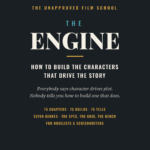
The Engine is the other thing.
It treats a character as a machine with a specification. Build the specification correctly and it produces the events: the cast is derived from the protagonist, the antagonist is derived from the cast, the second act is derived from the antagonist’s intelligence, and the ending was planted in the first act before you knew it was.
What is in it that is not anywhere else
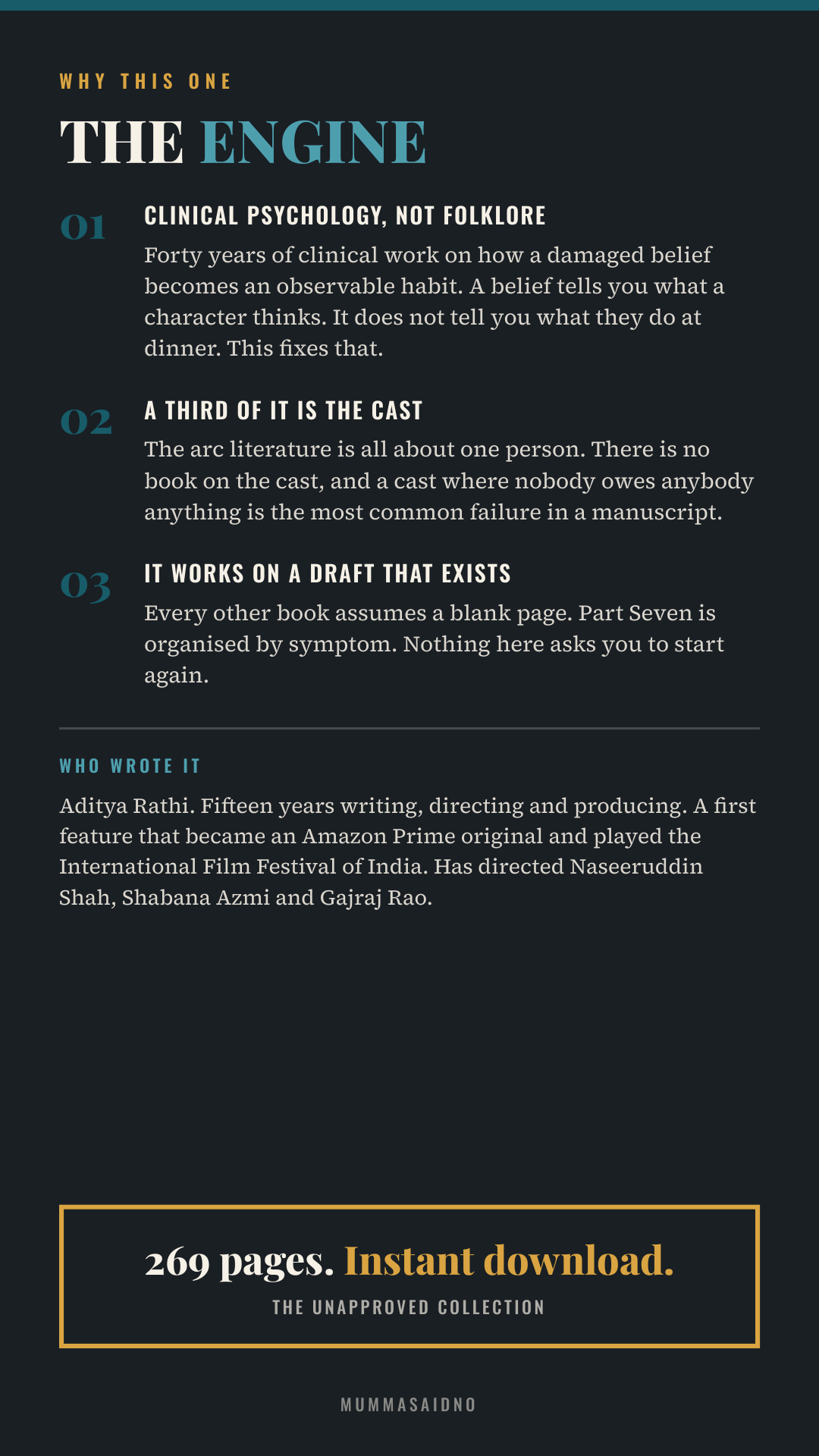
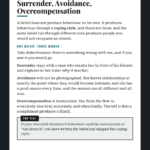
Forty years of clinical work on how a damaged belief turns into observable habit, converted into a writer’s tool. A belief tells you what a character thinks. It does not tell you what they do at dinner. This book fixes that, and it solves the problem where everybody with the same wound behaves the same way.
A century of actor training on what can and cannot be performed, including the exercise that fixes flat dialogue scenes permanently, and a vocabulary for writing bodies that most novelists have never been given.
The status work improvisers use, because emotion is not playable and status is.
And where the science behind a popular writing idea has quietly failed to replicate, this book says so.
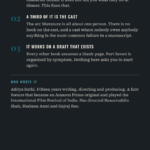
A third of it is about everybody who is not your protagonist. The arc literature is enormous and it is all about one person. There is no book about the cast, and a cast where nobody owes anybody anything is the most common structural failure in a manuscript. You cannot fix that by improving the hero.
Seven genres, seven specifications. The rules of character are not universal and pretending otherwise is why good craft advice fails in practice. Thriller, horror, romance, literary, science fiction and fantasy, comedy, and Action, History and Mythology as one standing genre in four chapters, because all three build heroes under a constraint on change and nobody in Western craft writing takes that seriously.
And it assumes the worst realistic situation. Not a blank page. A draft that exists, that took a long time, that is not working, and that you do not want to throw away. Part Seven is a repair manual organised by symptom. Nothing in this book requires you to start again.
Inside
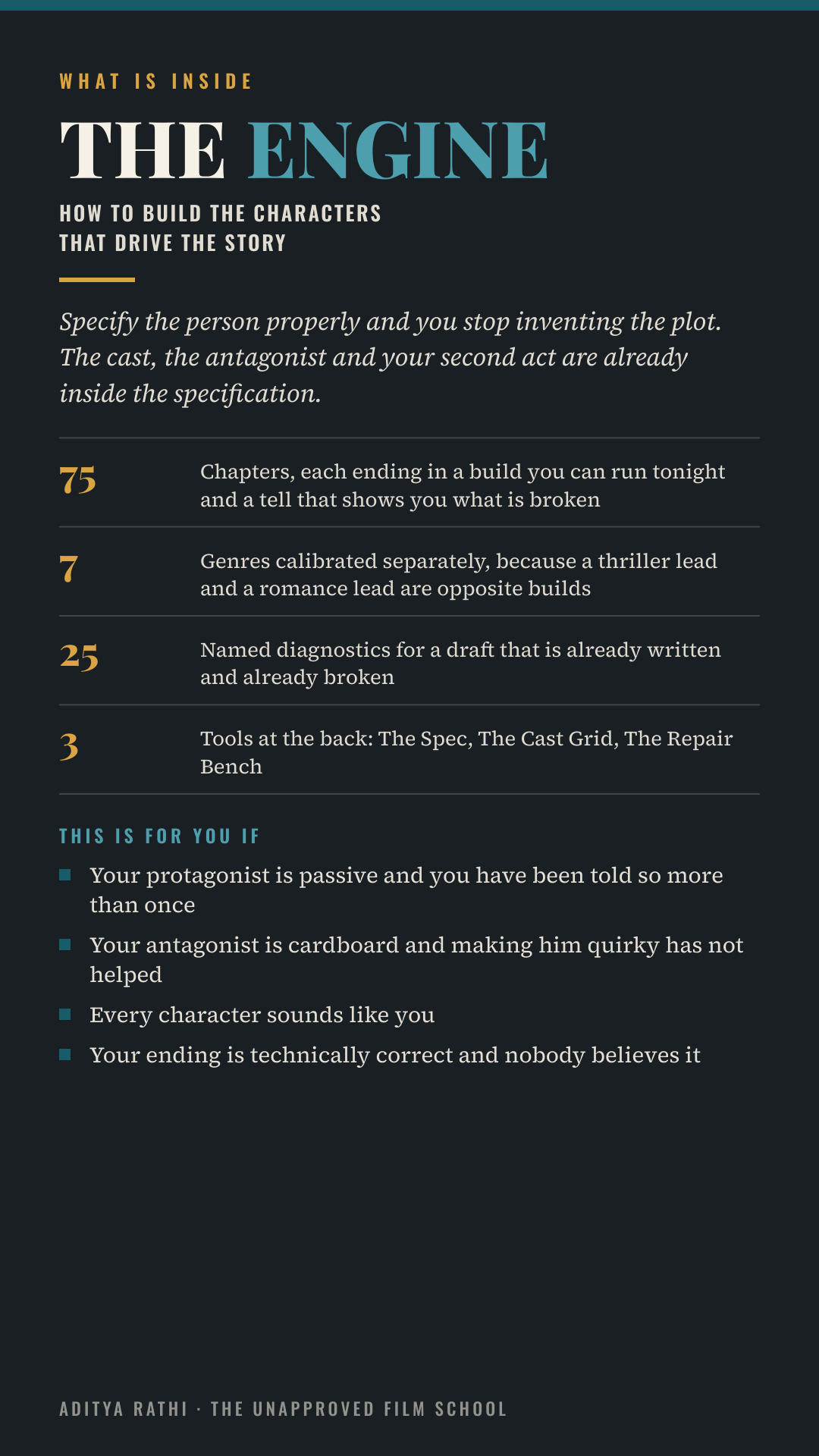
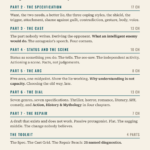
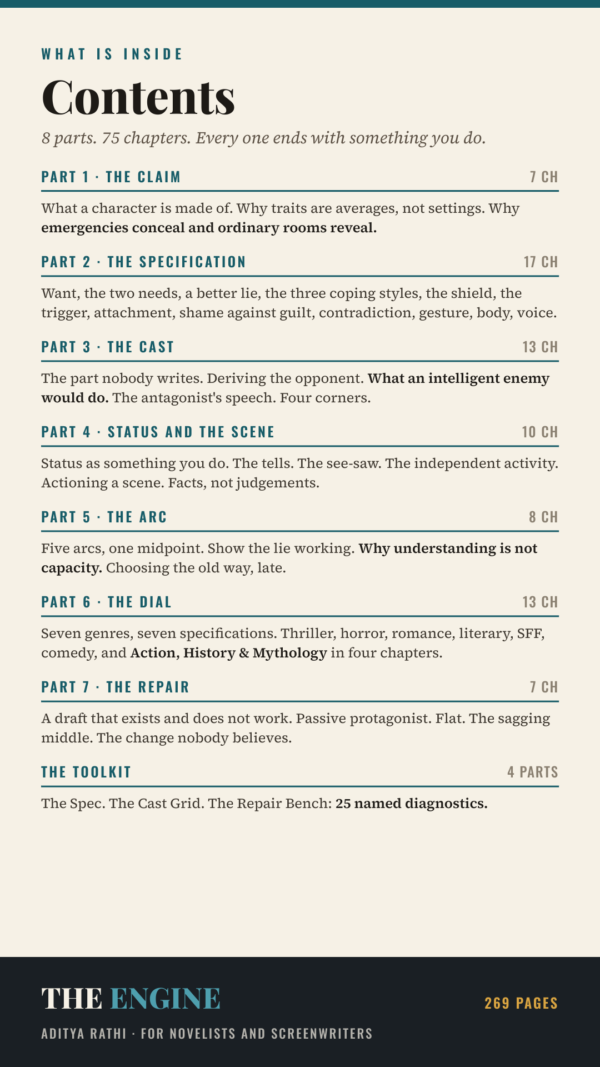
- 7 parts, 75 chapters, 269 pages
- Every chapter ends with a build instruction and a tell, because advice about what to do is cheap and advice about how to know you have failed is not
- The Spec, a 24-line character specification you can fill in for any character in under ten minutes
- The Cast Grid, two grids that find your redundant characters and your dead pairings in twenty minutes
- The Repair Bench, 25 named diagnostics with what each one detects and where the repair is
- Contemporary examples, from film, television and fiction, that a reader in London, Los Angeles and Mumbai will all have seen
This is for you if
- Your protagonist is passive and you have been told so more than once
- Your antagonist is cardboard and you do not know how to fix him without making him quirky
- Your middle sags and adding incident has not worked
- Every character sounds like you
- Somebody said they did not care what happened to her
- Your ending is technically correct and nobody believes it
- You have read the standard texts, agreed with all of them, and still cannot work out why the draft is dead
This is not
A personality test. A beat sheet. A questionnaire. A book about your protagonist only. And not a book that requires you to start again.